三星电机正寻求与大型科技公司达成价值 3.2 亿美元的人工智能 MLCC 供应协议,受此消息提振,公司市值上升。
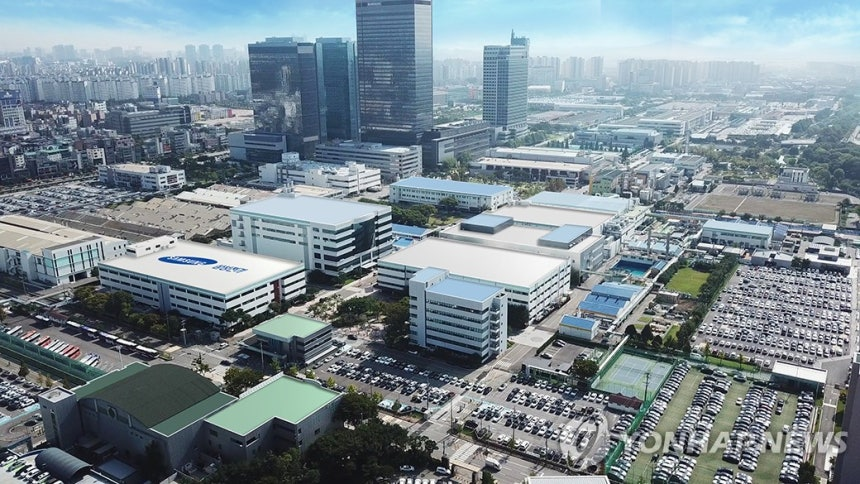
Samsung Electro Mechanics is moving to supply global big tech with several hundred billion won worth of multilayer ceramic capacitors (MLCC) for artificial intelligence (AI) servers. As the AI supercycle (a period of exceptional boom) spreads beyond semiconductors into electronic components, Samsung Electro Mechanics is expected to gain momentum in its earnings recovery as well.
三星电机正计划向全球大型科技公司供应价值数千亿韩元的用于人工智能(AI)服务器的多层陶瓷电容器(MLCC)。随着人工智能超级周期(一段异常繁荣的时期)从半导体领域扩展到电子元件领域,三星电机的盈利复苏预计也将加速。
According to industry sources on the 28th, Samsung Electro Mechanics is reportedly in final stage discussions ahead of an AI server MLCC supply contract with a US cloud service provider (CSP). The contract is estimated to be worth around 500 billion won (320 million dollars). Major CSPs such as Google, Amazon Web Services (AWS), and Meta have recently been competing to build out AI data centers, and the industry believes the counterparty is most likely one of these companies.
据业内人士 28 日透露,三星电机正与一家美国云服务提供商(CSP)就人工智能服务器 MLCC(多层陶瓷电容器)供应合同进行最终磋商。该合同预计价值约 5000 亿韩元(约合 3.2 亿美元)。谷歌、亚马逊 AWS 和 Meta 等主要云服务提供商近期一直在竞相建设人工智能数据中心,业内人士认为此次的最终合作方很可能是其中之一。
MLCC is a core component that stably supplies and controls electric current within the circuits of electronic products. Its range of application is widening beyond information technology (IT) devices such as smartphones and PCs to AI servers and automotive electrical and electronic equipment. In particular, because AI servers carry large numbers of high performance semiconductors such as graphics processing units (GPU), high bandwidth memory (HBM), and central processing units (CPU), power density has risen sharply, driving a surge in demand for high capacity, high reliability MLCC.
MLCC(多层陶瓷电容器)是电子产品电路中稳定供电和控制电流的核心元件。其应用范围正从智能手机、个人电脑等信息技术(IT)设备扩展到人工智能服务器和汽车电气电子设备等领域。尤其值得一提的是,由于人工智能服务器集成了大量高性能半导体,例如图形处理器(GPU)、高带宽内存(HBM)和中央处理器(CPU),其功率密度急剧上升,从而带动了对高容量、高可靠性 MLCC 需求的激增。
Once supply ramps up in earnest under this contract, the pace of Samsung Electro Mechanics' earnings improvement is expected to accelerate further. AI server MLCC is technically more difficult than the mobile variety, but it sells for at least three times more and is used in far greater volumes. A smartphone typically carries 1,000 to 1,300 MLCCs, whereas an AI server computing board uses 15,000 to 25,000 per board. The latest AI servers are equipped with around 20 computing boards, so a single server is said to require hundreds of thousands of MLCCs.
一旦这份合同下的供应量真正提升,三星电机的盈利增长速度预计将进一步加快。人工智能服务器用多层陶瓷电容器(MLCC)的技术难度高于移动端用 MLCC,但其售价至少是移动端的三倍,且用量更大。一部智能手机通常包含 1000 到 1300 个 MLCC,而一块人工智能服务器计算板则需要 15000 到 25000 个。最新的人工智能服务器配备了大约 20 块计算板,因此据说一台服务器就需要数十万个 MLCC。
Market growth is also steep. According to market research firm MarketsandMarkets, the global AI server market is projected to grow to 837.8 billion dollars (about 1,150 trillion won) by 2030. Meanwhile, much like memory chips such as DRAM, MLCC supply is failing to keep pace with demand. Jang Duk hyun, president of Samsung Electro Mechanics, said at the regular shareholders meeting this past March that "with rising data center investment, the supply and demand for high capacity, high reliability MLCC is tightening," adding that "we are in discussions with customers to expand supply in line with market conditions."
市场增长势头强劲。据市场研究公司 MarketsandMarkets 预测,到 2030 年,全球人工智能服务器市场规模预计将达到 8378 亿美元(约合 1150 万亿韩元)。与此同时,与 DRAM 等存储芯片类似,MLCC 的供应也难以满足市场需求。三星电机总裁张德铉在今年 3 月的例行股东大会上表示:“随着数据中心投资的增加,高容量、高可靠性 MLCC 的供需关系日益紧张。”他还补充道:“我们正在与客户商讨,以根据市场情况扩大供应。”
As a seller's market takes shape, the pricing power of major players including Samsung Electro Mechanics and Japan's Murata, TDK, and Taiyo Yuden has also strengthened. Prices for some MLCC products have already been raised, and long term supply agreements (LTA) are reportedly being signed one after another. In its MLCC business, which accounts for more than 45 percent of total revenue, Samsung Electro Mechanics is focusing on improving profitability by expanding the share of high capacity, high performance products. It is regarded as having secured top tier global competitiveness in AI server MLCC.
随着卖方市场逐渐形成,包括三星电机以及日本的村田制作所、TDK 和太阳诱电在内的主要厂商的定价权也随之增强。部分 MLCC 产品的价格已经上调,据报道,各厂商正在陆续签署长期供货协议(LTA)。三星电机的 MLCC 业务占其总收入的 45%以上,该公司正致力于通过扩大高容量、高性能产品的市场份额来提高盈利能力。该公司被认为已在 AI 服务器 MLCC 领域确立了全球顶尖的竞争力。
Against this market backdrop, analysts forecast that the operating profit of the Component Solutions division, which oversees Samsung Electro Mechanics' MLCC business, will surpass 1 trillion won this year, up more than 70 percent from last year (about 600 billion won). There is also talk of the possibility of reaching operating profit in the low to mid 2 trillion won range next year, roughly double that level. Samsung Electro Mechanics currently conducts MLCC research and development and raw material production at its Suwon and Busan sites, and operates production subsidiaries in Tianjin, China, and the Philippines as mass production bases. A plant expansion is also underway in the Philippines to increase MLCC capacity.
在此市场背景下,分析师预测,负责三星电机 MLCC 业务的元件解决方案事业部今年的营业利润将超过 1 万亿韩元,较去年(约 6000 亿韩元)增长超过 70%。另有消息称,明年营业利润有望达到 2 万亿韩元左右,约为今年的两倍。三星电机目前在其水原和釜山工厂进行 MLCC 的研发和原材料生产,并在中国天津和菲律宾设有生产子公司作为大规模生产基地。此外,该公司还在菲律宾扩建工厂,以提高 MLCC 产能。
第二、三星电机是国瓷材料第一大客户,双方合作超过 10 年,产业绑定程度极高:
国瓷材料(300285.SZ):国内 MLCC 介质粉体(钛酸钡)绝对龙头,全球第三方 MLCC 粉体双寡头之一(另一家是日本堺化学),是全球除日系厂商外唯一能量产高端纳米级钛酸钡粉体的企业。采购规模:三星电机 30%-40% 的 MLCC 钛酸钡介质粉体由国瓷材料供应,是其头号外部粉体供应商;对应地,三星电机贡献国瓷粉体业务 30% 以上的营收。
技术协同:双方联合开发高端 MLCC 粉体配方,国瓷同步跟进三星电机的 AI、车规产品迭代,粉体客户认证周期长达 2-3 年,替换壁垒极高,客户粘性极强。
本轮周期的联动效应:
AI 服务器 MLCC 需求爆发、三星电机订单爆满,直接拉动国瓷高端粉体的采购量增长;
高端 MLCC 涨价向下传导,国瓷 2026 年高端粉体已提价 10%-15%,订单排期 4-6 个月,处于满产满销状态;
除去:三星电机,日本春田制作所,TDK,太阳锈电,台湾国巨,都从国瓷材料 采用高端AI用,汽车用的稀土元素的粉体材料;
第三、日本堺化学
日系粉体厂商(如堺化学)受原料管制产能收缩,三星电机进一步加大对国瓷的采购比例,国产替代加速。
产业现实:三星、村田都在持续扩大中国大陆工厂的高端产能,目的就是锁定国内稳定的稀土 + 粉体供应链,规避出口管制带来的原料断供风险。
整条产业链的变化:稀土出口管制迫使日韩 MLCC 大厂把高端产能留在中国,国瓷材料依托境内稀土保供,成为最大受益者,而日本堺化学受稀土原料制约,产能扩张陷入瓶颈。
以上,可以清晰看到:国瓷材料,几乎占据了绝大多数高端AI用,汽车用的MLCC的磁体,原来堺化学的市场已经被国瓷材料占领完毕;
作者声明: 本文转载自第三方,旨在提供资讯参考,并非证券推荐或投资建议。作者对内容的真实性、准确性不承担保证责任。本文不构成任何投资建议或证券推荐。截至发文日,作者与文中提及的标的不存在持仓关系。